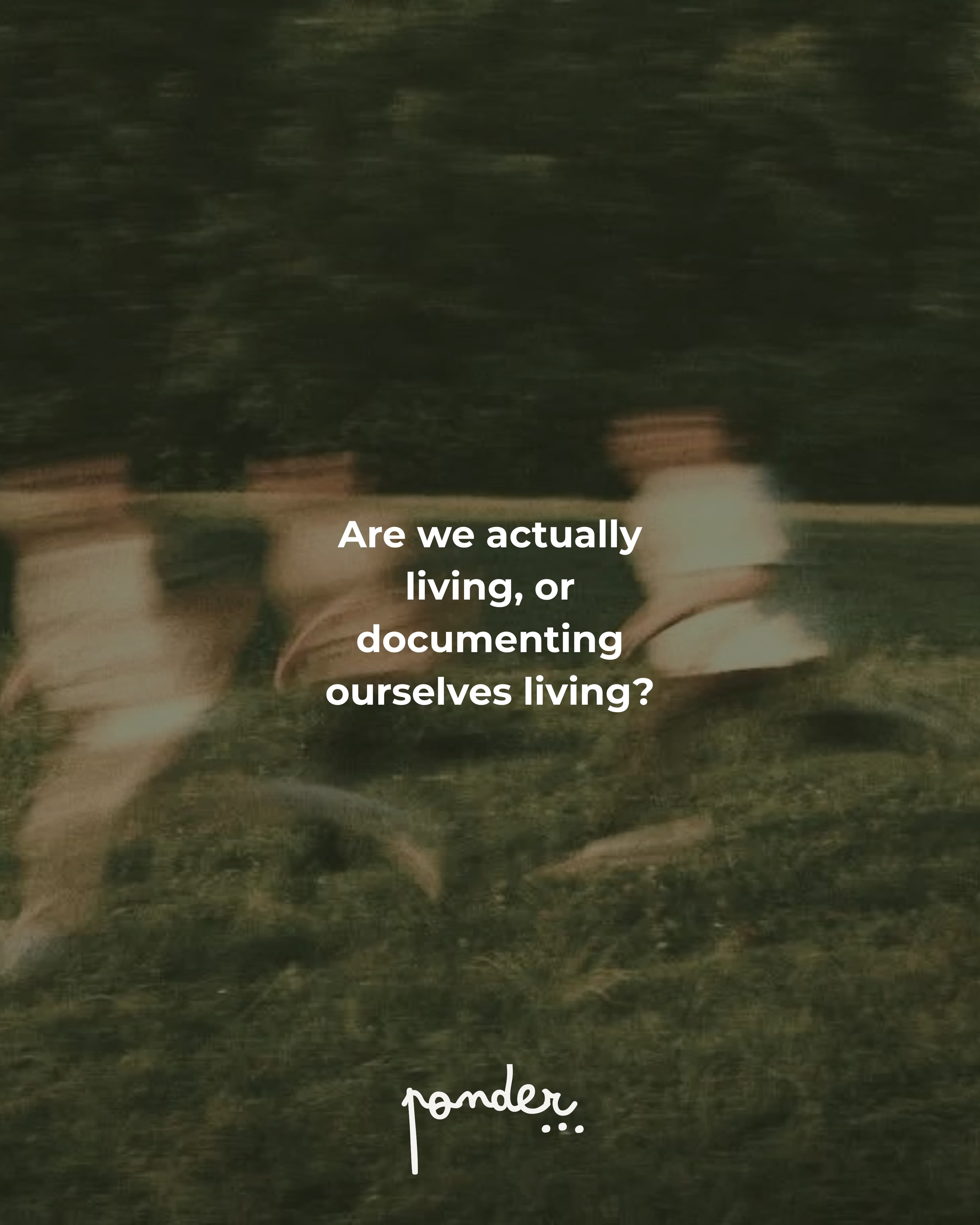
Are We Actually Living, or Documenting Ourselves Living?
At what point does remembering a moment become more important than actually experiencing it?
There is something strangely comforting about old photographs, you find one years later- slightly blurry, badly lit, someone half-cut out of the frame because apparently nobody knew how to centre a photograph in 2012, and suddenly, you’re there again. You remember what you were wearing, what you were eating, who was standing next to you, the stupid joke someone made five minutes before the picture. The photograph becomes a little time machine.
And maybe that is why we photograph everything now. The coffee before we drink it, the sunset before we watch it, the dinner before we eat it, the holiday before we’ve even unpacked the suitcase. We take the picture because we want to remember. But sometimes I wonder: are we taking photographs because we want to remember our lives, or because we are becoming increasingly conscious of how our lives will look when we remember them? There is a difference. And I think it’s a rather interesting one.
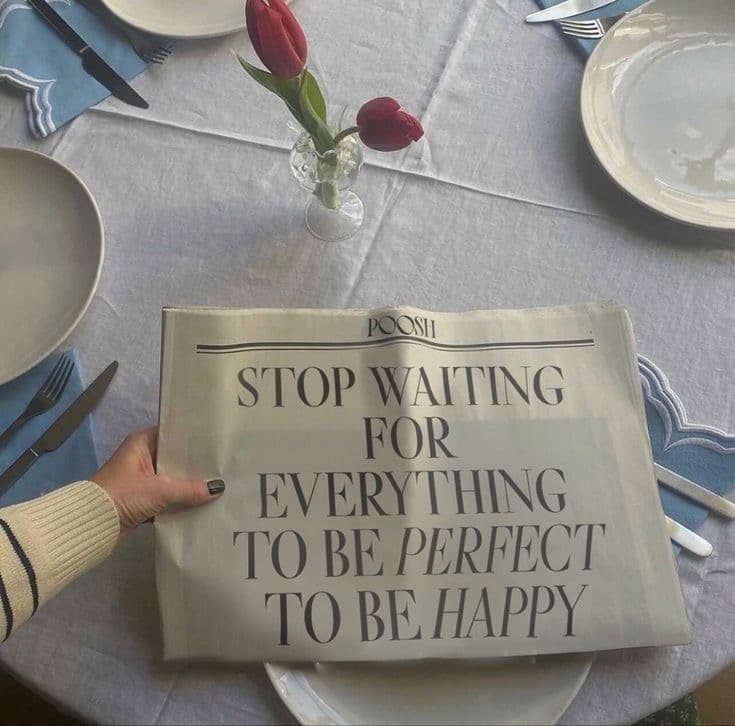
A photo recently came across my feed with a sentence that stayed with me: making something “look aesthetic” doesn’t take away from the experience. And honestly, I agree. Why do we act like taking a nice photograph automatically means you weren’t present? You can enjoy the sunset and take a picture of it. You can eat the pasta and take a picture of the pasta. You can have an amazing day and make a little photo dump about it. Multitasking. We love her. --- There is this strange moral superiority we sometimes attach to being “present,” as though a truly present person would never take their phone out. As though documenting a sunset somehow means you weren’t actually watching it and as though wanting a beautiful photograph of your life makes the life itself less authentic. But I don’t think that’s fair, someone climbing a rock face, setting up a hammock at golden hour, angling the shot so the light hits just right- none of that undoes the fact that they were there. Their hands were cold, their heart rate was up, and they were actually doing the thing. If they had been purely “documenting” instead of living it, the photo would have taken thirty seconds and they would have spent the rest of the hike staring at their phone. Instead, the photo was a five-second detour, not a substitute for the experience.
And somewhere, my friends are probably reading this thinking, Rabab, you? Really?Because yes, I love taking a good picture for the gram. I will absolutely ask you to take another one. And then another. And potentially one more because, “Wait, the light was better in the last one.” I am not going to sit here and pretend I have suddenly discovered the noble art of leaving my phone in my bag. If there is a beautiful view, I want the picture. If my friends look good, I want the picture. If my coffee looks suspiciously cinematic for a Tuesday morning, I want the picture. But that doesn’t mean I go home having had a bad day. In fact, some of my favourite photographs are attached to days I genuinely loved living. The picture didn’t replace the experience; it became part of it.
I think the real confusion comes from mixing up two completely different questions: Did this happen? and How do I want to remember it? Aesthetic is only ever an answer to the second question. It has nothing to do with the first. A sunset doesn’t stop being a sunset because someone took a good picture of it. A hike doesn’t become less strenuous because the photos from the summit look effortless. A birthday doesn’t become less joyful because someone made sure the table looked nice. The record and the reality are simply not the same axis, and judging one by the standards of the other is where all this cynicism comes from. It’s a bit like criticising a diary for having nice handwriting. --- There is also something quietly ungenerous about assuming that anyone who makes something beautiful must be lying about how they felt, as if effort is proof of insincerity and the only authentic photograph is an ugly, accidental one- blurry, badly framed, thumb included. But we’ve always done this. We pressed flowers between the pages of books. We wrote our best penmanship in letters we actually cared about. We framed the photographs that mattered and let the throwaways gather dust in a drawer nobody opens. We have always curated what we keep and how we present it. That isn’t new, and it isn’t necessarily dishonest. It’s simply what care has always looked like, long before anyone had a grid to maintain.
Sometimes taking a photograph is simply part of the experience. Sometimes you see something beautiful and instinctively want to keep a little piece of it. Sometimes you take a picture of your friends because you know that one day you’ll miss having all of them in the same room. Sometimes you photograph an ordinary Tuesday because you have a feeling you’ll want that Tuesday back. And sometimes, years later, you scroll through your camera roll and realise, Oh. I forgot this happened. The photograph remembers for you. Perhaps that is one of the most beautiful things about documenting our lives: we aren’t just creating evidence of where we have been, we are creating little doors back into who we were.
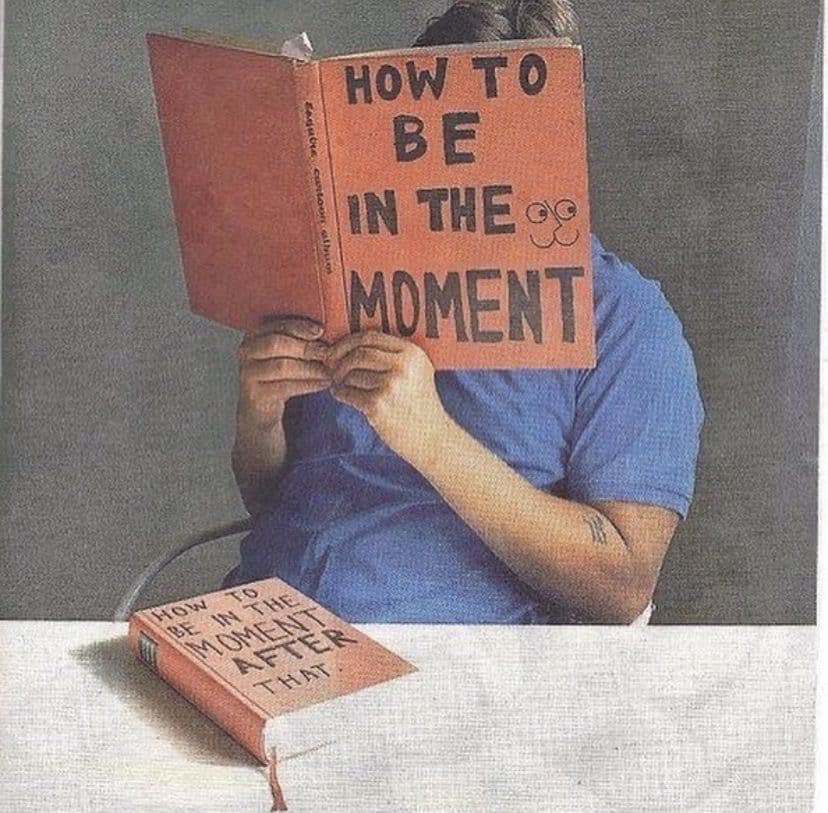
--- But then there is the other side of it: the moment when documentation stops being a byproduct of living and starts becoming part of the reason we live something at all. You go somewhere beautiful and immediately think about the photograph. You eat something incredible and wonder how it will look from above. You find an outfit you love and, before you’ve even left the house, you’re thinking about where you’ll take the picture. You visit somewhere beautiful and suddenly you’re not just seeing it. You’re composing it. Where should I stand? Should I take it from here? Wait- the light is better over there. “Can someone take one of me walking?” “No, not like that. Again!” And suddenly, without really noticing, you have two experiences happening at once: the experience itself, and the experience of watching yourself experience it.
You are swimming in the sea, but some tiny part of your brain is thinking about the story. You’re at dinner, but you’re also imagining the photograph of dinner. You’re on holiday, but you’re already thinking about the carousel. And, let’s be honest, we’re all guilty (Not you, Mum and Dad,your blurry film photos are suddenly Pinterest-worthy and you didn’t even know it.) You could be standing in front of the most beautiful view you’ve ever seen and suddenly become a part-time creative director. “Can you move slightly to the left?” “No, my other left.” Very present. Very mindful. Very spiritually connected to nature.
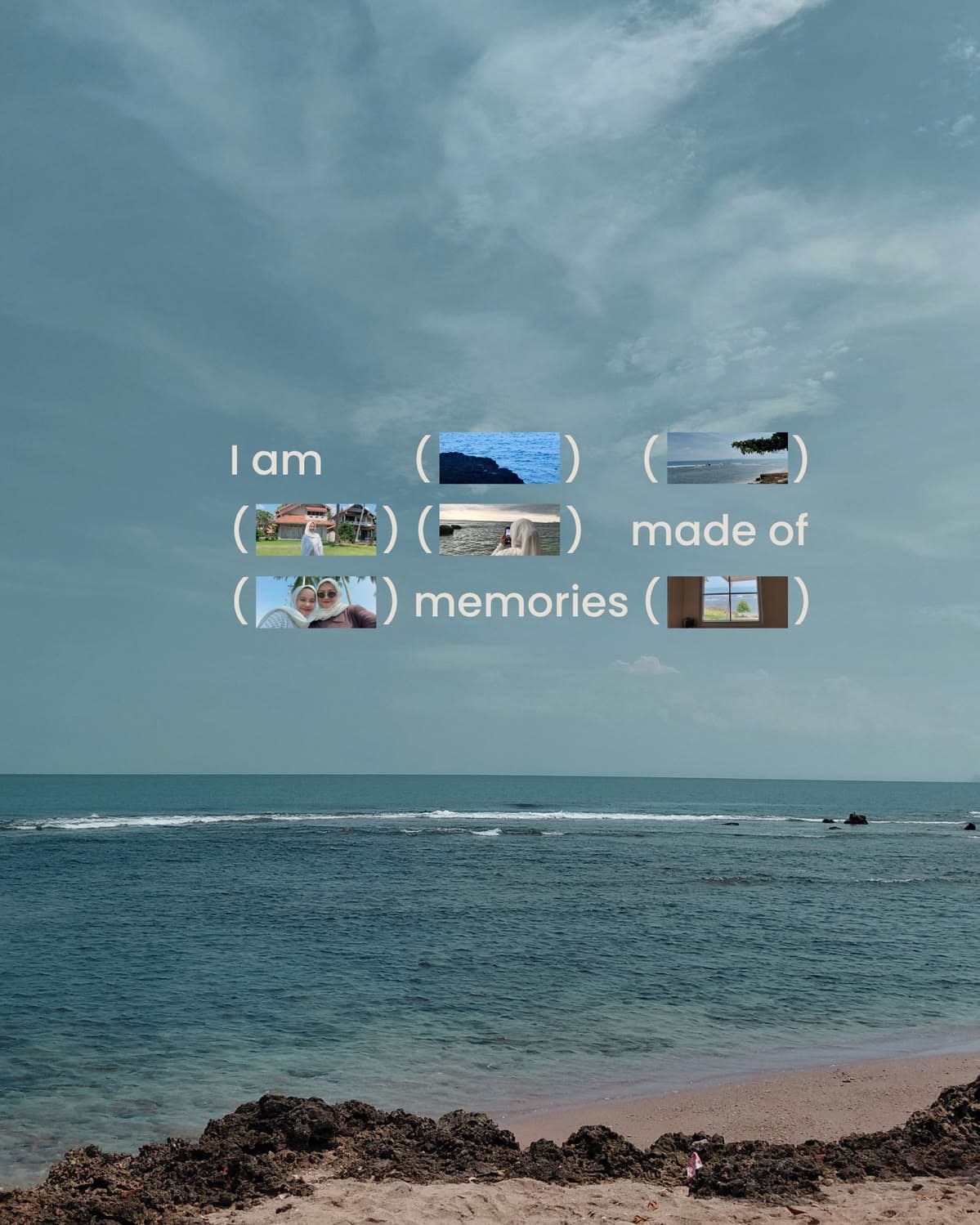
--- Social media has made us both the participant and the audience of our own lives. There is a strange self-consciousness that comes with this. We don’t just experience things anymore; we experience ourselves experiencing them. Imagine being at a concert ten years ago. You watched the artist, you sang, you looked around at thousands of people singing the same words. Maybe you took one blurry photograph. Now, you might spend half the song holding your phone above your head, trying to get a video that captures the atmosphere. Except it can’t, because the atmosphere was never really in the video. It was in being there. And yet we keep trying to preserve it.
Maybe it’s because we’re terrified of forgetting. Maybe we live in a time where everything feels so temporary that we feel the need to leave evidence behind: I was here. This happened. This mattered to me. There is something deeply human about that. We have always wanted proof of our existence. Cave paintings, diaries, letters, photographs, videos- perhaps the tools have changed, but the impulse hasn’t.
But there is also something slightly ridiculous about it. We have more photographs of ourselves than any generation before us, and yet I wonder if we’ve become worse at remembering. Our camera rolls are overflowing with screenshots, videos, food, friends, pets, sunsets, birthdays, holidays, random Tuesdays, and approximately 47 photographs of the exact same coffee because we couldn’t decide which one looked the most effortless. Effortless, of course, after taking 47 photographs. The irony is beautiful.
We document everything because we don’t want to forget anything, but perhaps when everything is documented, nothing feels particularly memorable. We outsource memory to our phones, and maybe that’s not necessarily a bad thing. Why rely on our questionable human brains when our iPhones have a better memory than most of us? But memory isn’t just about accuracy; it’s about meaning. A photograph shows you what happened. Your memory tells you what it meant. And perhaps we need both, because sometimes the photograph remembers the details our minds have lost while our minds remember the feeling the photograph never could.
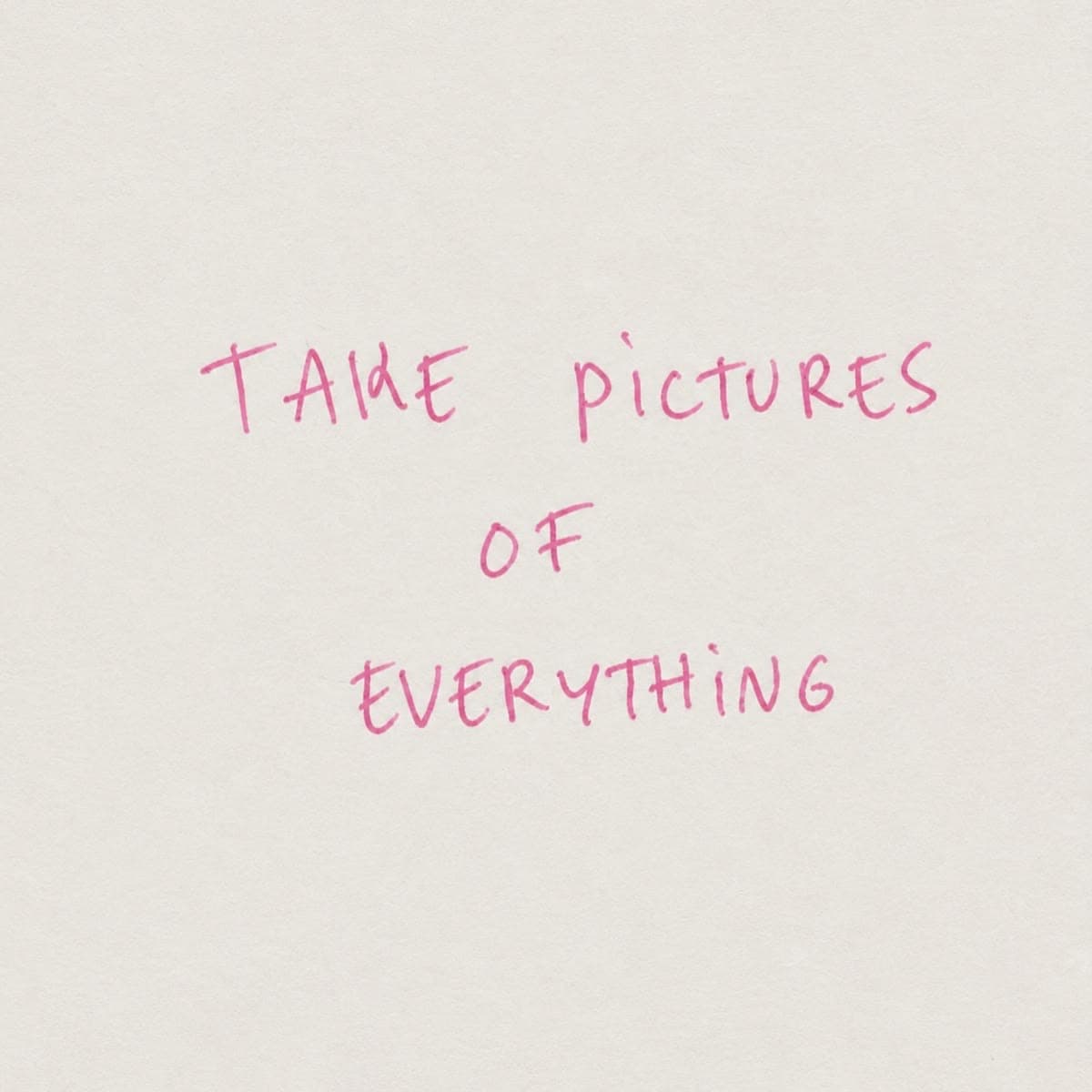
--- I don’t think the answer is to stop documenting. I don’t want a life where every photograph has to be blurry and accidental just to prove that it was real. I like pretty pictures. I like photo dumps. I like taking seventeen pictures and pretending the first one was always my favourite. I like looking through old albums, and I like the little thrill of finding a photograph from a day I had completely forgotten about.
And somewhere, probably, my friends are rolling their eyes because they know exactly how seriously I take a good picture. But they also know that the photograph is never the whole story. You might see the perfectly framed sunset, but you don’t see the five minutes we spent laughing because the wind nearly took the picnic blanket away. You might see the beautiful dinner, but you don’t see us sitting around afterwards talking until midnight. You might see the photograph from the holiday, but you don’t see the stupid conversations, the wrong turns, the bad weather, the exhaustion, or the moments nobody thought to photograph. The photograph is a fragment. The life is everything around it.
There is nothing inherently shallow about wanting to make something look beautiful. The danger, if there is one, is when the documentation becomes more important than the moment it was meant to document. When you spend the entire concert trying to capture the perfect video and barely hear the song. When you spend so long photographing the sunset that you forget to actually watch it. When you’re more concerned with how happy you look than whether you actually feel happy. When you start asking, “Will this make a good post?” before asking, “Do I actually want to do this?” That is when it gets interesting, because then social media isn’t simply documenting our lives. It is quietly participating in the construction of them.
Maybe the goal isn’t to choose between living and documenting. Maybe it’s simply to remember which one comes first. Take the photograph, then put the phone down. Go back into the sea. Eat the dinner while it’s hot. Laugh with your friends without wondering whether the moment is Instagram-worthy. Let some moments exist without proof, and take the photograph when you want to. Because one day, that photograph might bring you back. Back to the ridiculous holiday, the terrible haircut, the friend you haven’t spoken to in years, the house you don’t live in anymore, the version of yourself you barely recognise. And maybe that’s the beautiful contradiction of documenting our lives: the photograph isn’t necessarily what takes us away from the moment. Sometimes, it’s exactly what brings us back to it. The question is simply whether we were ever really there in the first place. --- So perhaps the next time you reach for your phone, there is a tiny question worth asking: Am I taking this because I want to remember this moment- or because I don’t want to miss having something to show for it?
Maybe the answer doesn’t matter every time. Sometimes the sunset deserves a picture. Sometimes the pasta deserves its little photoshoot. Sometimes you need the 0.5x holiday picture. Sometimes your friends need to suffer through taking approximately 26 photos of you walking towards a tree. And sometimes, you just need to put your phone down and realise: Oh. I’m actually here. Maybe that’s enough.
Something worth pondering.